If you have browsed meditation music online, you have probably seen “432 Hz” in titles everywhere. Here is what the number actually refers to, what has (and hasn’t) been studied, and how to enjoy it sensibly.
A quick lesson in tuning
Musical instruments are tuned to a reference pitch. Since the mid-twentieth century, most Western music has used A = 440 Hz, meaning the A above middle C vibrates 440 times per second. Music “tuned to 432 Hz” simply lowers that reference by about a third of a semitone. Every note shifts down slightly; the melody and harmony stay the same.
Why people prefer it
Fans describe 432 Hz music as warmer, softer or more relaxing. Some of that may come from the slightly lower pitch, some from the calm style of music usually published at 432 Hz, and some from expectation. Claims that 432 Hz is “the frequency of the universe” or that it unlocks wealth are not supported by scientific evidence.
What the studies found
Research is small but growing. A double-blind pilot study published on PubMed Central compared 432 Hz and 440 Hz versions of patients’ favourite music for sleep in 12 people with spinal cord injuries; the authors concluded that larger studies are needed. A separate pilot randomized trial compared break-time listening at 440 Hz and 432 Hz among emergency nurses. These are interesting first steps, not proof.
How Shifting Vibrations uses 432 Hz
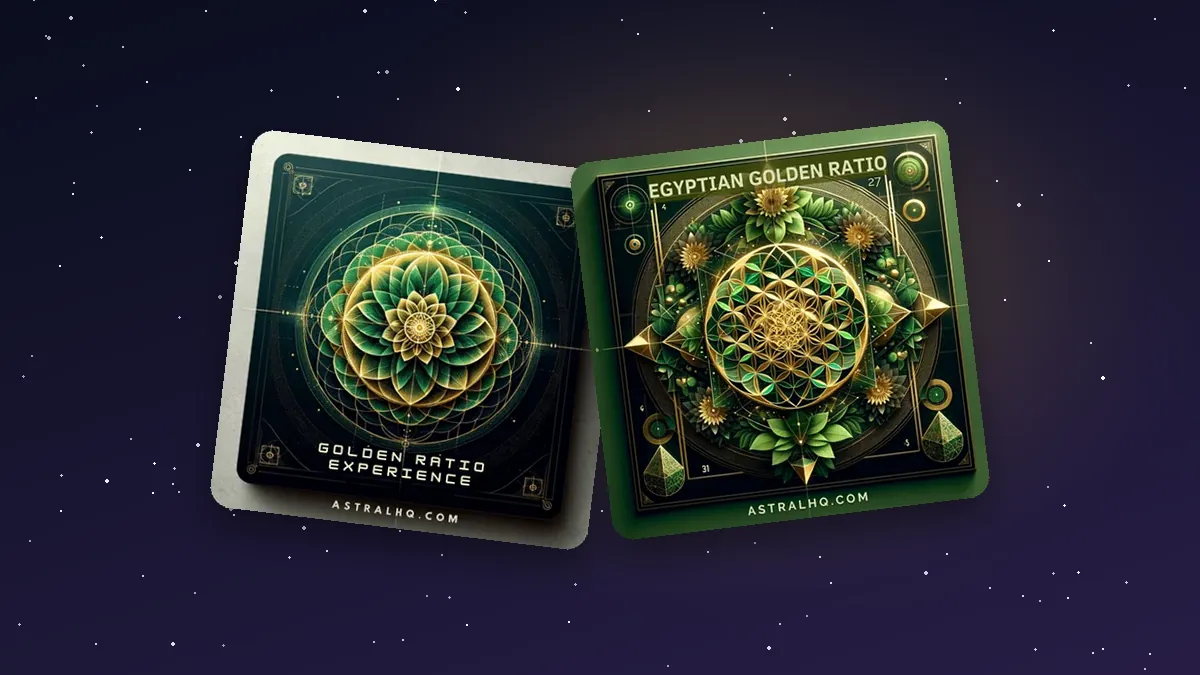
Two of the six main tracks in Shifting Vibrations — Egyptian Golden Ratio for Abundance and The Abundance Pyramid — are tuned to 432 Hz. They are designed for short, intention-focused morning sessions. See the Abundance Mindset focus area for a routine.
Listening tips
- Use a quiet room and a comfortable volume.
- Try the same track at the same time for a week to notice how it feels.
- Pair it with slow breathing or a few lines of journaling.

Try Shifting Vibrations
Six main tracks, four bonuses and a five-minute daily routine, with a 60-day money-back guarantee.
Order Now